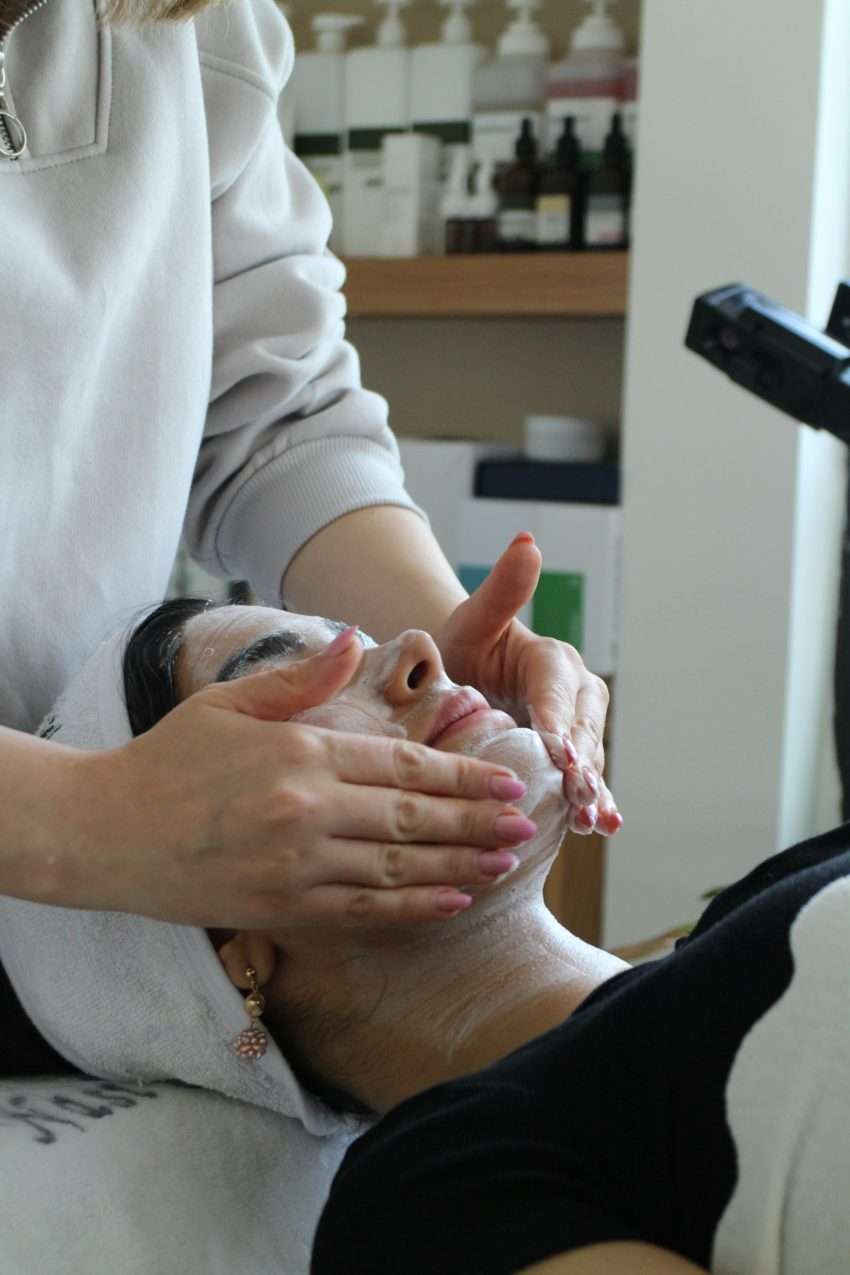
When it comes to refreshing a tired complexion or erasing the stubborn remnants of sun damage, the aesthetic world generally offers two heavy hitters: chemical peels and laser resurfacing. For the uninitiated, choosing between them can feel like a toss-up. Both aim to reveal smoother, more youthful skin by removing damaged outer layers, but the way they achieve that goal is fundamentally different. One uses the precision of light and heat, while the other relies on a carefully controlled biological reaction.
Deciding which route to take depends largely on your specific skin type, your tolerance for downtime, and the particular “flaws” you want to address. For many, a professional facial chemical peel remains the gold standard for treating generalized texture issues and pigment irregularities. It is often the more accessible entry point for those new to clinical skincare, offering a range of intensities that can be tailored to your skin’s unique sensitivity. However, to make the right choice, you have to look beyond the marketing and understand the mechanics of each treatment.
The Chemistry of the Peel
A chemical peel is, at its heart, an accelerated form of exfoliation. By applying an acidic solution—typically containing alpha-hydroxy acids (AHAs), beta-hydroxy acids (BHAs), or trichloroacetic acid (TCA)—a practitioner lowers the pH of the skin. This breaks the “glue” that holds dead, dull skin cells together.
Peels are categorized by their depth:
- Light Peels: These often use fruit acids or low-strength salicylic acid to refresh the epidermis. There is virtually no downtime, making them perfect for a “lunchtime” glow.
- Medium Peels: These reach the upper layers of the dermis. They are excellent for treating acne scars and deeper fine lines. You should expect a few days of actual “peeling” or flaking.
- Deep Peels: These are significant procedures that use phenol to reach the mid-dermis. They offer dramatic results for severe sun damage but require a longer recovery period.
According to the American Academy of Dermatology, chemical peels are particularly effective for treating melasma and other forms of hyperpigmentation because they physically lift the pigment out of the skin as the cells shed.
The Physics of the Laser
Laser treatments take a more technological approach. Instead of a liquid solution, they use concentrated beams of light. These beams are attracted to specific targets in the skin, such as the water in your cells, the red in broken capillaries, or the brown in age spots.
Lasers are generally divided into “ablative” and “non-ablative” categories. Ablative lasers (like CO2 or Er:YAG) vaporize the top layer of skin, essentially forcing the body to grow a brand-new surface. Non-ablative lasers work by heating the underlying tissue without damaging the surface, which stimulates collagen production from the inside out.
The primary advantage of lasers is precision. While a peel covers the entire face evenly, a laser can be dialed in to target a single deep wrinkle or a specific cluster of spider veins. However, this precision often comes with a higher price tag and a more intense sensation during the procedure.
Comparing Downtime and “The Social Wait”
One of the biggest factors in the “Peels vs. Lasers” debate is how much time you can afford to stay out of the spotlight.
With a medium-depth peel, your skin might look slightly sunburned for a day or two, followed by a period where the skin feels tight and eventually flakes off. It is a predictable, linear process. Lasers, particularly ablative ones, can involve more significant swelling and crusting. It isn’t uncommon for patients to take a full week off work to allow the skin to heal properly.
Research highlighted by the American Society for Dermatologic Surgery indicates that while lasers often provide more “one-and-done” dramatic results for deep structural issues like skin laxity, peels are frequently more effective for those looking for a series of progressive treatments that fit into a busy lifestyle.
Which One Wins for Your Skin?
If your primary concern is “dullness,” large pores, or superficial pigment, a series of chemical peels is likely your best bet. They are highly effective at resurfacing the skin without the thermal risk that sometimes accompanies laser treatments, especially for those with darker skin tones (where certain lasers can inadvertently cause post-inflammatory hyperpigmentation).
On the other hand, if you are battling deep-set “smoker’s lines” around the mouth, significant sagging, or visible vascular issues, a laser can reach depths and provide a level of tightening that a chemical solution simply cannot match.
The Hybrid Approach
It is also worth noting that you don’t necessarily have to choose just one. Many advanced skincare plans involve “stacking” these treatments. You might start with a laser to target specific deep wrinkles and follow up a few months later with a maintenance peel to keep the surface texture bright and even.
The key to a successful outcome isn’t the tool itself, but the hands that hold it. A thorough consultation is necessary to evaluate your skin’s thickness, its history with the sun, and your overall health. When you approach skin rejuvenation with a clear understanding of the “why” behind the “how,” you’re far more likely to end up with a result that looks natural and vibrant.
