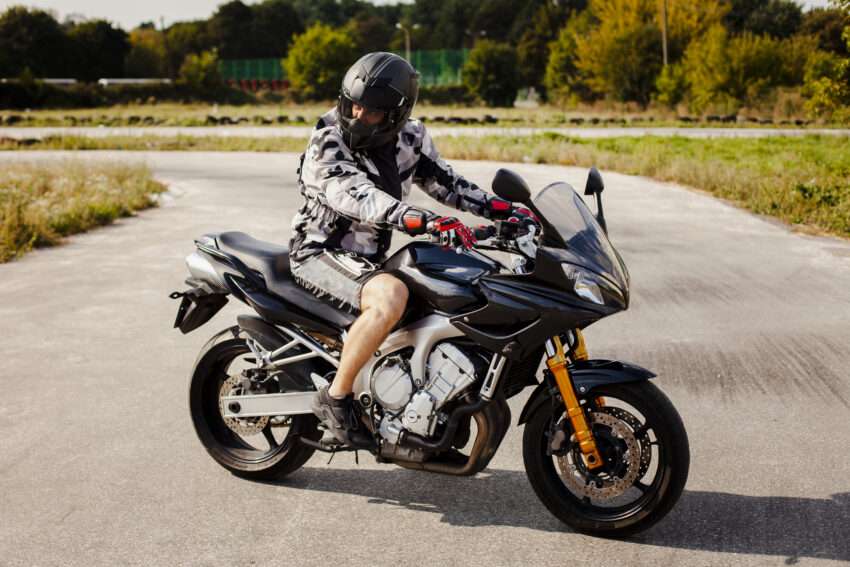
The world of motorcycles and motorbikes is one of the most passionate communities in the transport world. For many riders, the motorcycle is more than a vehicle: it is an expression of freedom, a technical interest, a sporting challenge, and a community of like-minded people who share an understanding of what it means to ride. Whether you are approaching motorcycles for the first time or are an experienced rider looking to deepen your knowledge, understanding the breadth of the motorcycle world provides context for making better choices about equipment, safety, and riding development.
At lfequestrian.com you will find motorcycle and motorbike guides, riding tips, equipment reviews, and practical advice covering motorcycle categories, licensing, safety, maintenance, and all aspects of the two-wheeled world.
The Basics of How Motorcycles Work
A motorcycle is a two-wheeled motor vehicle that transmits engine power through a chain, belt, or shaft drive to the rear wheel, which propels the vehicle forward. The rider steers through handlebars connected to the front fork, which holds the front wheel and suspension. Balance is maintained through the combination of gyroscopic forces from the spinning wheels, the steering geometry of the front fork, and the rider’s active weight distribution.
Understanding even the basics of motorcycle mechanics helps riders maintain their machines more confidently and diagnose problems before they become serious. The four key systems that require regular attention are the engine (oil levels, coolant in water-cooled engines, air filter condition), the fuel system (clean fuel, functioning carburettor or fuel injection), the braking system (brake pad thickness, fluid levels, disc condition), and the drive chain or belt (tension, lubrication, and wear).
Getting Licensed to Ride
Motorcycle licensing in most countries follows a progressive system that limits novice riders to smaller, less powerful machines while they develop the skills and experience to handle more demanding motorcycles safely.
In the UK, the process begins with a CBT (Compulsory Basic Training), which provides an introduction to motorcycle controls and road riding under instruction, and leads to a provisional licence that permits riding a 125cc machine. Full licensing through the theory test and practical test (Module 1 off-road manoeuvres and Module 2 on-road riding) leads to an A2 licence for riders under 24, which permits machines up to 35kW, and a full A licence for riders 24 and over, or for A2 holders after two years.
The progressive nature of this system has genuine safety merit: learning to ride on smaller, more manageable motorcycles develops the fundamental skills of balance, braking, and road awareness that transfer directly to more powerful machines, with the consequences of errors kept within more manageable limits during the learning period.
Choosing Your First Motorcycle
The most common mistake new riders make is choosing a motorcycle that is too large or too powerful for their current skill level. A machine that challenges you beyond your competence creates dangerous situations and slows the development of riding confidence and skill.
For first-time riders with a full licence, mid-size naked bikes in the 400 to 650cc range offer a combination of accessible performance, manageable weight, and forgiving handling that suits the development of riding skill. The Honda CB500 series, Kawasaki Z400, and Yamaha MT-03 are consistently recommended in this category for their approachability and reliability.
The physical dimensions of the motorcycle matter as much as the engine capacity for rider confidence. A motorcycle that is too tall for the rider to get both feet flat on the ground, or too heavy to be pushed and manoeuvred off-road, creates challenges that reduce confidence and increase the risk of low-speed drops.
Motorcycle Maintenance Basics
Regular maintenance keeps a motorcycle performing safely and reliably, and much of the routine maintenance is well within the capability of riders who are willing to learn basic mechanical procedures.
Chain maintenance (cleaning, lubricating, and checking tension) should be done every 500 to 600 miles in normal conditions, more frequently in wet or dirty conditions. A dry, loose, or rusty chain reduces power transfer efficiency, wears sprockets more rapidly, and presents a safety risk if it fails.
Tyre inspection before every ride, looking for cuts, embedded debris, and checking that pressure is within the manufacturer’s specified range, is the most important daily safety check. Tyre condition and pressure affect handling, braking performance, and grip in ways that directly determine the safety margin available in emergency situations.
Engine oil level checks (monthly or every 1,000 miles, whichever is sooner) and oil changes at manufacturer-specified intervals maintain engine health and longevity. Using the correct oil specification for the engine, as specified in the owner’s manual, is more important than the brand chosen.
