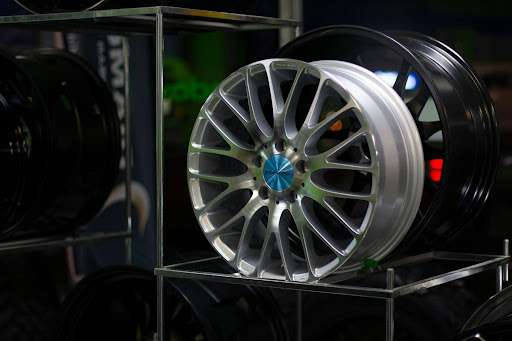
Car culture has always balanced two instincts: making a vehicle look personal and making it work better. For some drivers, that means a clean street stance. For others, it means a truck or SUV that can handle rougher roads, camping trips, and weekend projects. Wheels sit at the center of that decision because they are one of the most visible upgrades on a vehicle and one of the most practical.
Transportation and car lifestyle publishers often cover maintenance, safety, driving habits, and vehicle ownership because those details shape everyday driving. Rims fit naturally into that conversation. They affect how a vehicle looks, but they also influence tyre choice, clearance, weight, ride comfort, load rating, and long term serviceability.
Design Is the First Thing People Notice
There is no denying the visual impact of rims. A new set can make a familiar vehicle feel completely different. Black, bronze, machined, beadlock inspired, split spoke, and concave designs all send different signals. Some make a truck look tougher. Others make an SUV feel cleaner and more refined. On a modified vehicle, the wheels often define the whole build.
Drivers researching kmc rims are usually looking for that mix of attitude and function. AutoCraze carries KMC wheel options for drivers who want a stronger visual presence across 4x4s, utes, SUVs, and custom builds. A wheel specialist might describe the appeal this way: “KMC has a strong following because the designs feel purposeful. Buyers want a rim that looks right on the vehicle, but they also want fitment that supports how they actually drive.”
The best design choice still has to suit the vehicle. A wheel that looks good on a lifted ute may not suit a lower SUV. A design that works for a weekend adventure build may be too aggressive for a car used mainly for commuting. Style should feel intentional, not copied from a different use case.
Capability Depends on the Whole Setup
Rims are only one part of a wheel and tyre system. The right diameter, width, offset, and tyre pairing can help a vehicle look balanced and perform properly. The wrong combination can create rubbing, harshness, steering changes, or poor tyre wear. That is why fitment advice matters as much as brand preference.
Many aftermarket rims are alloy wheels, a category known for combining strength, lower weight, and design flexibility compared with older steel wheel applications. However, not every alloy wheel suits every purpose. Load rating, construction, finish quality, and correct sizing still matter. A rim used on a heavy touring setup has different priorities from a rim used mainly for street styling.
Off road and touring drivers should think about tyre sidewall, replacement availability, and the terrain they expect to encounter. A large rim with a very low profile tyre may look sharp, but it may not give enough sidewall for rough tracks. A more practical size can provide better comfort and more protection when the road surface gets unpredictable.
Safety and Maintenance Still Matter
A wheel upgrade should never create avoidable safety problems. Drivers need to confirm brake clearance, hub fitment, stud pattern, nut or bolt compatibility, and tyre load and speed ratings. A package should be installed correctly and checked after initial driving, especially if the vehicle is used for towing, work, or off road travel.
The National Highway Traffic Safety Administration publishes tire safety guidance that covers inflation, tread depth, inspection, and maintenance. While wheel design gets the attention, tyres remain the contact point between the vehicle and the road. Even a premium rim will not compensate for poor inflation, damaged tyres, or neglected rotations.
Maintenance is also part of the ownership experience. Wheels that see mud, sand, brake dust, or road grime should be cleaned regularly. Drivers should inspect for cracks, bends, missing weights, and uneven tyre wear. A good looking setup should also be easy enough to keep safe and functional.
Choosing Rims That Fit the Driver
The best KMC style setup depends on the driver’s priorities. A daily driven SUV may benefit from a clean wheel that improves stance without hurting comfort. A touring ute may need a strong rim in a practical size with all terrain tyres. A show focused build may prioritize finish and visual impact, provided the package still fits correctly and remains roadworthy.
Budget should include more than the rim itself. Tyres, fitting, balancing, alignment, nuts, sensors, spares, and future replacements can all affect the total cost. Buyers who plan the full package usually avoid expensive surprises.
Rims are one of the few upgrades that change how a vehicle looks every time the owner walks up to it. They can also change how practical the vehicle feels on the road. When style, fitment, safety, and use case are considered together, the result is more than a cosmetic change. It becomes a build choice that supports the way the driver actually uses the vehicle.
