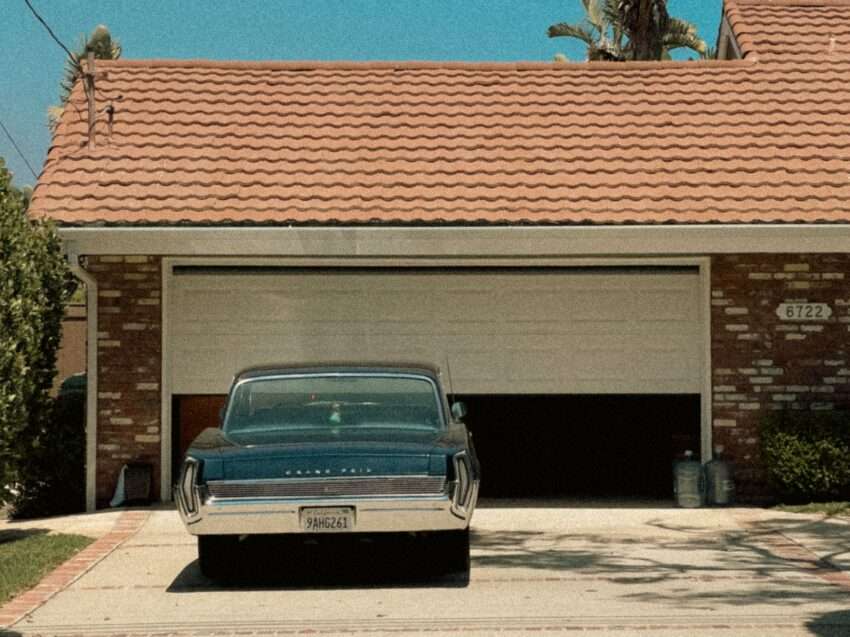
Many homeowners love the convenience of a detached garage. It offers a dedicated space for your vehicle, away from the clutter of the main house. When we invest in a vehicle, we usually prioritize oil changes, tire rotations, and regular washes. We trust that parking it indoors will shield it from the elements. However, you misplaced that trust if the building itself begins to fail. Because the structure sits out of sight, it often falls down the maintenance priority list. We tend to forget about it until a glaring problem forces us to pay attention. Unfortunately, ignoring the overhead structure puts your most prized possession at risk.
A failing garage roof isn’t just a building problem; it translates directly into a vehicle problem. If you notice signs of wear and tear, scheduling a professional roofing repair early saves you from dealing with a ruined car down the road. Let’s explore some of the most frequent problems that develop on a stand-alone garage and exactly how they threaten the vehicle parked inside.
Leaks and Chronic Moisture Exposure
Water intrusion serves as the most obvious sign of a deteriorating roof. Missing shingles, cracked flashing, or degraded underlayment give rainwater a direct path into the building. When water drips consistently onto the same spot on your car, it slowly eats away at the clear coat and paint. Even a small drip, if left unchecked for months, contains minerals and roofing debris that etch into the clear coat, leaving permanent stains. You shouldn’t have to worry about water damage when your car stays parked indoors. Over time, this constant moisture exposure leads to deep rust spots on the body panels, drastically lowering the resale value of your vehicle.
Beyond the exterior, a leaky roof creates a permanently damp environment inside the enclosed space. If you roll your car windows down even a fraction of an inch, or if the door seals begin aging, that ambient moisture creeps into the cabin. Soon enough, you’ll find mildew growing on the upholstery and a lingering musty smell that’s incredibly hard to eliminate. A roof’s primary job involves keeping the elements outside, and when it fails, your vehicle bears the brunt of the weather.
Poor Ventilation Trapping Extreme Heat
Most people understand that their main home needs proper roof ventilation to let hot air escape. However, builders frequently construct stand-alone garages without adequate ridge vents or soffit vents. When the summer sun beats down on the shingles, the attic space turns into an oven. Without a way for that trapped air to vent outside, the temperature at floor level skyrockets. If you’ve ever opened your garage door in July and felt a blast of stifling heat hit your face, you know exactly how poor the airflow can be.
Parking your car in a stiflingly hot environment accelerates the wear on various components. Extreme heat degrades the battery, significantly shortening its lifespan. The high temperatures also dry out the rubber weatherstripping around the doors and windows, causing them to crack and fail prematurely. Even the interior dashboard and leather seats suffer under the constant, baking heat. Upgrading the roof ventilation system keeps the internal temperature regulated and protects your car’s sensitive materials.
Sagging Decking and Falling Debris
If water seeps under the shingles for an extended period, the wooden decking underneath begins to rot. Plywood and oriented strand board lose their structural integrity when they stay wet. You might notice the roofline starting to sag or dip between the rafters. Wood rot doesn’t fix itself; it only spreads. A structural problem like this requires immediate attention because it’s a serious hazard.
As the decking decays, pieces of the ceiling, old nails, and splinters can break loose and fall directly onto your car’s hood or windshield. Dealing with scratches and cracked glass feels frustrating enough, but a completely compromised roof presents a much bigger threat. Under the weight of a winter snowstorm or a severe spring rain, a weakened roof can partially collapse, crushing the vehicle underneath. Addressing soft spots early prevents these catastrophic failures.
Inviting Pests and Rodents Indoors
A damaged roof often features gaps along the fascia boards, rotting soffits, or holes near the eaves. These openings act as an open invitation for local wildlife. Squirrels, mice, raccoons, and birds constantly seek dry, safe places to build their nests. Once they bypass the compromised exterior, they quickly realize your parked car makes an excellent home.
They’re particularly notorious for causing extensive automotive damage. Rodents love to crawl under the hood and chew through the wiring harnesses, leading to electrical failures that cost thousands of dollars to diagnose and fix. A single squirrel can total a car by destroying the main computer wiring. They also tear up hood insulation and cabin air filters to use as nesting materials. Securing the perimeter of your roof keeps these unwanted guests outside where they belong, ensuring your engine bay remains pest-free.
Preserving Your Investment
Your detached garage serves as a protective shield for your vehicle, but it can only do its job if the structure remains sound. Ignoring missing shingles, poor ventilation, or sagging wood turns a safe haven into a hazardous environment. A deteriorating roof threatens your car with rust, heat damage, falling debris, and rodent infestations. Taking the time to inspect the structure regularly allows you to catch minor problems before they escalate into expensive repairs. Next time you wash your car or pull into the driveway, take a few minutes to look up at the garage roof. Check for missing shingles, dipping rooflines, or obvious gaps near the gutters. By maintaining the overhead barrier, you ensure your car stays clean, safe, and ready for the road for years to come.
