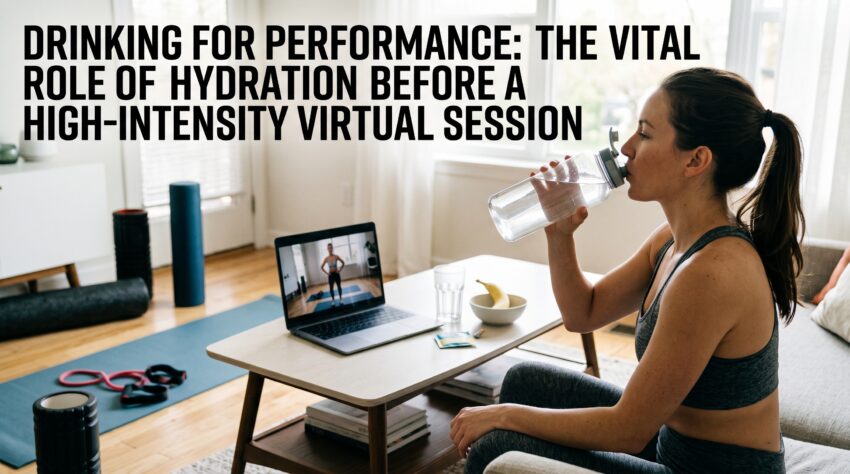
Logging into a tough workout from your living room requires serious mental focus. When you skip the commute and jump straight into a digital session, it’s easy to forget the basic preparation steps you’d normally take at a commercial gym. You might throw on your workout gear and grab a towel, but if you haven’t been drinking enough water throughout the day, you’re setting yourself up for failure. Whether you follow a pre-recorded video or sweat through a live personal training program, high-intensity intervals demand peak physical condition. Water acts as the essential fuel your body needs to push through those grueling jump squats and burpees. If you start your session dehydrated, your performance tanks long before your muscles actually reach their limit.
Protecting Your Muscles from Premature Fatigue
When you transition into a fast-paced circuit, your muscles generate a ton of heat. Your body cools itself down by sweating, which pulls water directly from your internal reserves. If those reserves are already low before you even start the warm-up, your muscles quickly lose the fluid they need to contract properly. This fluid loss leads to a buildup of lactic acid and a rapid onset of physical fatigue. You’ll notice your legs feeling like lead during the second round of lunges, or you’ll experience sudden, sharp cramps in your calves. Proper hydration keeps your muscle fibers lubricated and flushes out waste products in real-time, allowing you to maintain a strong, steady pace from the first minute to the last.
Reducing Cardiovascular Strain
Water makes up a huge portion of your blood volume. When you don’t drink enough, your blood actually becomes thicker. This puts a tremendous amount of stress on your heart, which now has to pump much harder just to circulate oxygen to your working muscles. During a high-intensity routine, your heart rate naturally spikes. If your heart’s already working overtime just to push thickened blood through your veins, you’ll hit your maximum heart rate far too early in the workout. You’ll find yourself gasping for air and feeling dizzy after a simple set of jumping jacks. Pre-hydrating ensures your blood flows smoothly, keeping your cardiovascular system operating efficiently so you can handle the intense cardio spikes without feeling faint.
Maintaining Mental Sharpness and Coordination
Following a trainer on a screen requires sharp mental focus and quick reaction times. You have to listen to audio cues, watch the screen for form corrections, and immediately translate those directions to your own body. Even mild dehydration causes significant brain fog, reducing your concentration and slowing your reaction times. When you lose focus, your form suffers. Dropping your hips during a plank or rounding your back during a deadlift because you feel mentally checked out puts you at serious risk for an injury. Drinking enough water keeps your brain alert and your nervous system firing on all cylinders, ensuring you execute every single movement with precision and safety.
Timing Your Fluid Intake Correctly
Knowing you need water is one thing, but timing your intake is where most people make a critical mistake. Chugging a giant bottle of water three minutes before your video call starts is a terrible idea. That liquid will just slosh around in your stomach, causing painful cramps and nausea the second you start doing mountain climbers. Instead, you need to spread your hydration out over the hours leading up to your session. Aim to drink about sixteen to twenty ounces of water two hours before you plan to work out. This gives your digestive system plenty of time to process the fluid and send it out to your cells. About twenty minutes before the warm-up, take a few small sips just to wet your throat.
Replacing Lost Electrolytes
When you sweat profusely during a tough indoor session, you aren’t just losing water. You’re also sweating out essential minerals like sodium, potassium, and magnesium. These electrolytes act as the electrical conductors in your body, telling your muscles exactly when to fire and when to relax. If you’re planning a particularly grueling session lasting longer than forty-five minutes, plain water might not be enough. Adding a pinch of sea salt to your pre-workout drink or snacking on a banana provides a quick hit of these vital minerals. This simple addition prevents those frustrating mid-workout muscle spasms and helps your body retain the water you just drank.
Setting the Stage for a Great Workout
Working out from your living room shouldn’t mean compromising on your preparation. The effort you put in before you press play dictates the quality of the entire session. By prioritizing your fluid intake throughout the day and timing your consumption smartly, you give your body the exact tools it needs to succeed. You’ll push harder, jump higher, and recover much faster. Make water your primary pre-workout priority, and you’ll immediately notice a remarkable difference in your energy levels and your overall fitness progress.
