Of all the months on the winter calendar, December stands alone as the most dangerous for American drivers. A new study from DeMayo Law Offices analyzing motor vehicle crash fatalities across four winter months between 2019 and 2023 has found that December consistently produces more traffic deaths than January, February, or March, driven by a uniquely hazardous convergence of behavioral, environmental, and infrastructural factors that peak at the start of winter rather than its depths.
The findings, drawn from National Highway Traffic Safety Administration crash data, carry urgent implications for drivers, law enforcement agencies, state transportation departments, and public health advocates heading into the holiday season.
Over the five-year study period, December recorded 16,805 total winter traffic fatalities, a figure that stood distinctly higher than any other winter month. March ranked second with 14,917 fatalities, followed by January at 14,664 and February at 13,501. While all four months present serious risk, the gap between December and the rest of the winter season is significant enough to demand targeted attention.
The reasons behind December’s deadly distinction are not mysterious. The month marks a volatile transitional period in which multiple high-risk factors converge simultaneously. Holiday travel dramatically increases the number of vehicles on the road, extending driving hours and pushing more drivers onto highways during nighttime windows when visibility is reduced, and fatigue is elevated. At the same time, alcohol consumption rises markedly during the holiday period, contributing directly to the December spike in impaired driving deaths. December recorded 4,931 drunk driving fatalities over the study period, the highest of any winter month, in crashes involving a driver with a blood alcohol concentration of .08 or higher.
Speeding followed a parallel pattern. December produced 4,619 speeding-related winter fatalities, again the highest of any month in the study. Distracted driving peaked in December as well, with 1,315 distracted-driving fatalities attributed to the month, likely reflecting the combined pressures of holiday congestion, navigation app use, and elevated stress that accompany seasonal travel.
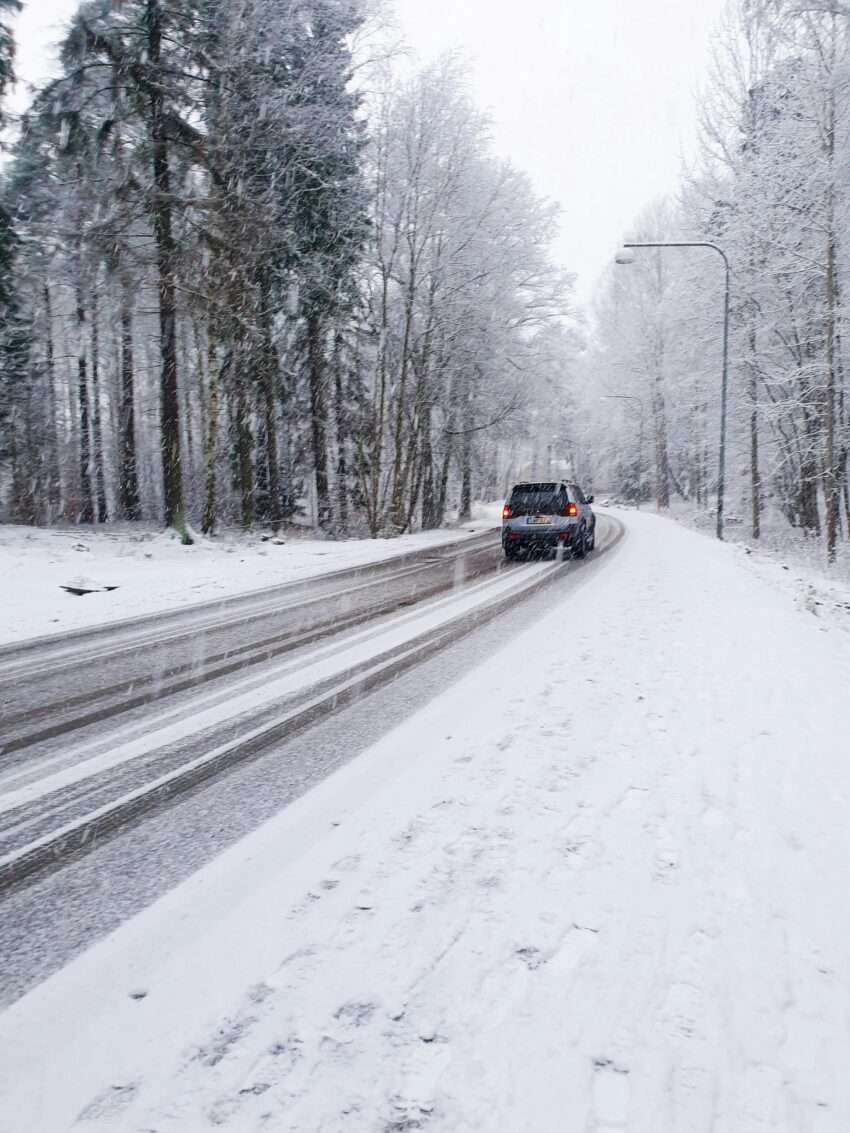
Beyond behavior, December’s weather profile adds its own layer of danger. Unlike January and February, which settle into more consistent winter patterns that drivers and road crews have time to adapt to, December is an unpredictable transitional month. Temperatures fluctuate. Rain can turn to ice overnight. Black ice forms on roads that were dry hours earlier. Drivers who spent months in warm-weather conditions are suddenly navigating slick surfaces without the benefit of adjusted habits or reinstalled winter tires.
The study points out that this dynamic is especially pronounced in the South. States including Texas, Florida, Georgia, and North Carolina rank among the top five for total winter fatalities, and their December numbers reflect the particular vulnerability of warm-weather states to sudden seasonal shifts. Texas recorded 6,610 total winter fatalities over the study period, leading the nation, while California followed at 6,542 and Florida at 6,142. For these states, December often represents the first real test of a driving population that has little recent experience with cold, wet, or icy road conditions.
March deserves its own moment of attention in this data. Although later in the winter season, March remains markedly dangerous due to freeze-thaw cycles that create volatile road conditions just as driver caution begins to wane. The arrival of spring-like temperatures does not mean the end of black ice or slick roads, and the study’s March fatality figures confirm that complacency in the final weeks of winter carries a measurable cost.
The overall picture is one in which the bookends of the winter season, December and March, present the greatest risk, for different but equally consequential reasons. December kills because everything peaks at once. March kills because drivers stop paying attention before winter is actually over.
The study recommends that December be treated as a critical month for targeted safety messaging, law enforcement campaigns, and driver awareness initiatives at both the state and national levels.
