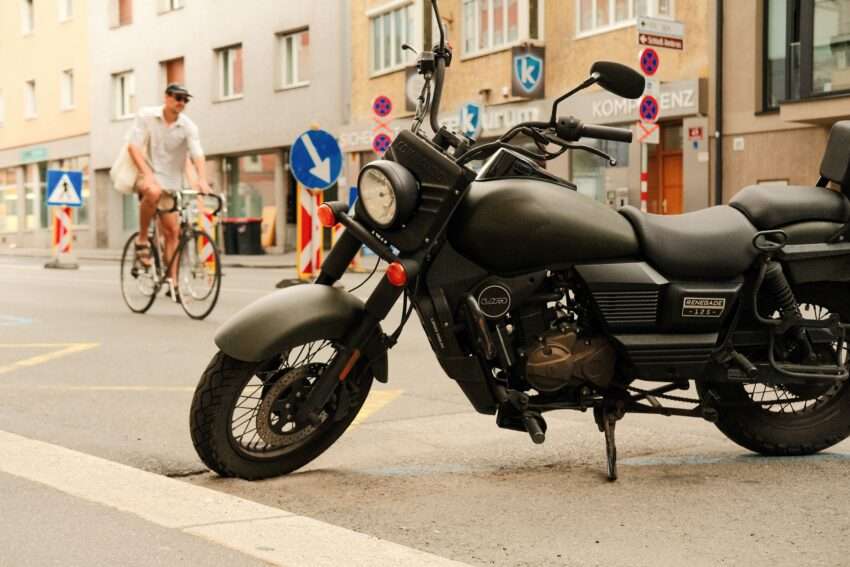
Two-wheeled transport, whether human-powered or engine-driven, represents one of the most efficient, economical, and enjoyable forms of personal mobility. Bicycles and motorcycles occupy distinct but overlapping worlds: both offer freedom, efficiency, and a connection to the road that four-wheeled vehicles cannot provide. Whether you are choosing your first bicycle for daily commuting, looking for the right motorcycle for touring, or seeking quality equipment for an existing two-wheeled passion, the range of choices available is wider and more nuanced than ever.
At stpaulsdecatur.org you will find bicycle and motorcycle guides, equipment reviews, and practical advice covering road bikes, mountain bikes, urban cycling, motorcycle categories, safety equipment, and everything two-wheeled enthusiasts need to make the most of their riding.
Choosing the Right Bicycle for Your Needs
Cycling encompasses an enormous range of activity types, and the right bicycle for one purpose may be poorly suited to another. Before choosing a bicycle, defining its primary use determines the right category and specification.
Road bikes are designed for efficient travel on paved surfaces. Their drop handlebars, narrow tyres, and stiff frames optimise power transfer and aerodynamics for riding at speed on good road surfaces. A road bike is the right choice for fitness cycling, sportive events, and commuting on good roads where speed and efficiency are the priority.
Mountain bikes are designed for rough terrain, with wide knobby tyres, suspension systems, and frame geometry that prioritises control and stability over rough surfaces. Full suspension (both front and rear) provides the most capable off-road performance but adds weight and cost; hardtail frames (front suspension only) offer a compromise that suits most recreational off-road riders.
Hybrid and urban bikes occupy the middle ground, combining features from road and mountain bikes to produce versatile machines suitable for mixed surfaces, commuting, and leisure riding. Their flat handlebars provide a more upright riding position than road bikes, which is more comfortable for casual riding and better for urban traffic awareness.
Electric Bicycles: Expanding What Cycling Can Do
Electric bicycles (e-bikes) add motor assistance to pedal power, extending the range and reducing the effort required for cycling while maintaining the fundamental character of cycling as an active activity. The motor provides assistance when pedalling, not continuous drive, which means that e-bike riding is still exercise, just with the effort profile adjusted to make hills and headwinds more manageable.
The legal definition of an e-bike in the EU and UK limits motor assistance to a maximum of 250W with assistance cutting out at 25km/h. Within this framework, e-bikes can be ridden without a licence on public roads and cycle paths. This accessibility has made e-bikes among the fastest-growing bicycle categories, opening cycling to people whose fitness, health, or topography had previously made it impractical.
Motorcycles: Categories and What They Offer
The motorcycle market is divided into clearly defined categories, each optimised for a different type of riding.
Naked or standard motorcycles are the most versatile everyday category: upright riding position, moderate power delivery, and practical handling make them suitable for commuting, leisure riding, and occasional touring. Brands like Honda, Yamaha, Kawasaki, and Suzuki produce excellent naked bikes across a wide range of engine sizes.
Sport bikes prioritise performance, with aggressive riding positions, high-revving engines, and chassis tuned for track and fast road use. They offer exceptional performance but are less practical for everyday use than naked bikes, and the compromised ergonomics become tiring on longer rides.
Adventure and touring motorcycles are designed for long-distance riding with significant luggage capacity, weather protection, and comfortable ergonomics. Models like the BMW GS series, Triumph Tiger, and Honda Africa Twin have defined this category and remain the most popular choices for riders who prioritise range and versatility.
Safety Equipment: What Is Not Negotiable
Motorcycle safety equipment is not optional: the consequences of a crash without appropriate protective equipment are significantly worse than with it. The helmet is the most important piece of equipment and must meet current safety standards for the market in which it is used.
In the EU and UK, motorcycle helmets must meet ECE 22.06 as the current standard. SHARP (Safety Helmet Assessment and Rating Programme) in the UK provides independent star ratings for helmets based on impact testing, enabling comparison between compliant helmets on their safety performance rather than just their compliance with minimum standards.
Protective clothing (jacket, trousers, gloves, boots) with CE-rated armour at impact points provides meaningful protection in the event of a fall. CE Level 2 armour provides better impact absorption than Level 1 and is worth specifying for key impact points. Abrasion resistance of outer materials is the other key protective function, and leather remains the benchmark for this, with high-specification technical textiles providing close to equivalent protection.
