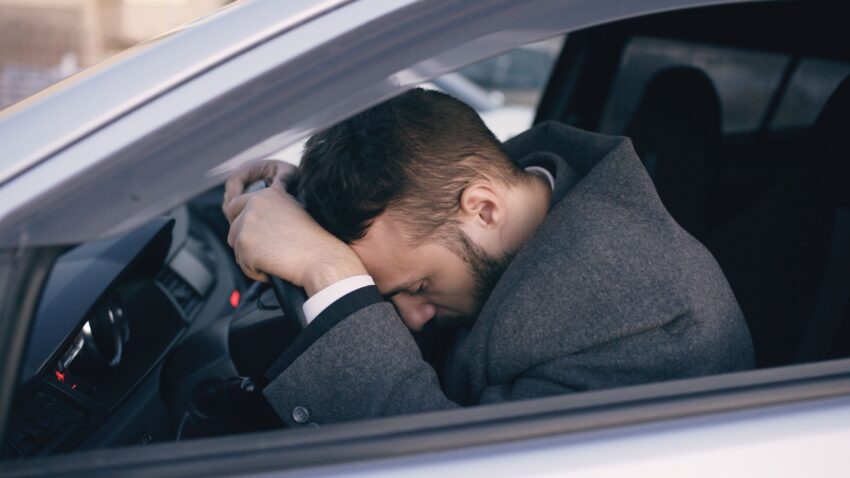
For most people, getting a driver’s license is a milestone of independence. It represents the freedom to go wherever you want, whenever you want. But for millions of adults, gripping the steering wheel doesn’t feel like freedom at all. Instead, it triggers a cold sweat, a racing heart, and an overwhelming urge to pull over. If the mere thought of merging onto a highway or getting stuck in traffic makes your stomach drop, you aren’t alone.
Driving anxiety is incredibly common, yet many people suffer in silence because they feel embarrassed by it. They assume they just need to white-knuckle their way through it, but ignoring the problem usually makes the perimeter of their world shrink over time. The good news is that you don’t have to live this way. Partnering with a skilled therapist can help you uncover the root causes of your distress and give you practical tools to regain your confidence on the road.
The Different Faces of Driving Anxiety
Driving anxiety isn’t a one-size-fits-all condition. It manifests differently depending on your personal history, your temperament, and the specific triggers that set you off. Understanding exactly what kind of anxiety you’re dealing with is the first step toward overcoming it.
Fear of Panic Attacks and Loss of Control
For many individuals, the primary fear isn’t actually the car or the road itself. It’s the fear of what will happen to their own body while they’re driving. You might worry that you’ll have a sudden panic attack, lose control of the vehicle, pass out, or cause a terrible accident. This creates a vicious cycle. You notice a slight elevation in your heart rate, assume it means disaster is imminent, and then the anxiety spirals out of control. It makes every red light feel like a trap and every highway trip feel like a high-stakes gamble.
Agoraphobia and Space Constraints
Agoraphobia is often misunderstood as a fear of leaving the house, but it’s actually a fear of being in places where escape might be difficult or frustrating. On the road, this shows up on long bridges, in tunnels, or during rush-hour traffic jams where you’re surrounded by other cars. When you feel trapped in a specific lane with no immediate exit ramp, your nervous system interprets the lack of escape options as a threat, triggering a sudden fight-or-flight response.
Trauma-Based Anxiety
If you’ve ever been in a car accident, witnessed a bad crash, or even had a terrifying near-miss, your brain can easily associate the act of driving with mortal danger. Even years after the event, a sudden brake light, the sound of a horn, or driving past a similar intersection can send your body right back into the trauma. Your brain is trying to protect you by flashing warning signs, but the alarm system is turned up way too high for everyday situations.
Performance and Social Anxiety
Some drivers are perfectly fine when the roads are empty, but they fall apart when other cars show up. This type of anxiety centers on the fear of being judged or pressured by others. You might get incredibly nervous when someone tailgates you, feel intense pressure at a four-way stop sign, or worry that you’ll stall the car or make a mistake that angers nearby drivers. The constant monitoring of everyone else’s perceived reactions makes driving exhausting.
How a Therapist Can Help You Heal
Hoping the anxiety will just vanish on its own rarely works. Avoidance is the fuel that keeps anxiety alive; the more you avoid driving, the more your brain becomes convinced that driving is genuinely dangerous. Breaking this cycle requires professional guidance, and that’s exactly where therapy comes into play.
Rewiring Your Thoughts
Cognitive Behavioral Therapy is one of the most effective tools for treating situational anxieties. A professional will help you identify the catastrophic thoughts that flood your mind the moment you pick up your keys. Thoughts like losing control at the wheel are treated as hypotheses rather than factual certainties. You learn to challenge these thoughts with evidence, slowly training your brain to realize that feeling anxious isn’t the same thing as being in actual danger.
Gradual Exposure Therapy
You don’t overcome a fear of driving by forcing yourself to complete a cross-country road trip on day one. Instead, therapy introduces the concept of systematic desensitization. You and your counselor will build a hierarchy of fears, starting with small, manageable tasks. This might mean just sitting in the stationary car in your driveway for ten minutes. Once that feels boring, you move to driving around the block, then driving on quiet side streets, and eventually tackling the highway. By taking these measured steps, you prove to your nervous system that you can handle the discomfort safely.
Somatic Regulation Techniques
When anxiety strikes behind the wheel, your body goes into overdrive. Your breathing gets shallow, your muscles tighten, and your vision narrows. A professional will teach you how to drop your body out of this hyper-aroused state using grounding exercises. You’ll learn specific diaphragmatic breathing patterns and physical checks that you can safely practice while maintaining full attention on the road. By calming the body, you automatically take the wind out of the sails of the mental panic.
Navigating the Root Causes
Sometimes, driving anxiety is simply a symptom of a larger issue, like generalized anxiety disorder or a deep-seated need for control during a chaotic period in your life. Working through these challenges in a safe environment allows you to address the underlying emotional currents. When you heal the core issues, the symptoms—including the panic you feel while driving—often begin to dissipate naturally.
Taking Back the Wheel
Living with driving anxiety can make your world feel incredibly small. It forces you to plan your entire day around side streets, turn down social invitations, or rely completely on others for transportation. But you don’t have to let fear dictate your life forever. With the right support, patience, and professional tools, you can rebuild your relationship with your vehicle and experience the genuine freedom of the open road again.
